
Final Fantasy 16 on PS5: Unpacking the Complex Realities of Exclusivity and Performance







Popular Now
 FIFA 23
 League of Legends
 Stumble Guys
 Black Myth: Wukong
 Roblox
 EA SPORT FC 25
 Grand Theft Auto V
 Free Fire Max
 Auto X Drift Racing 3
 Brawl Stars
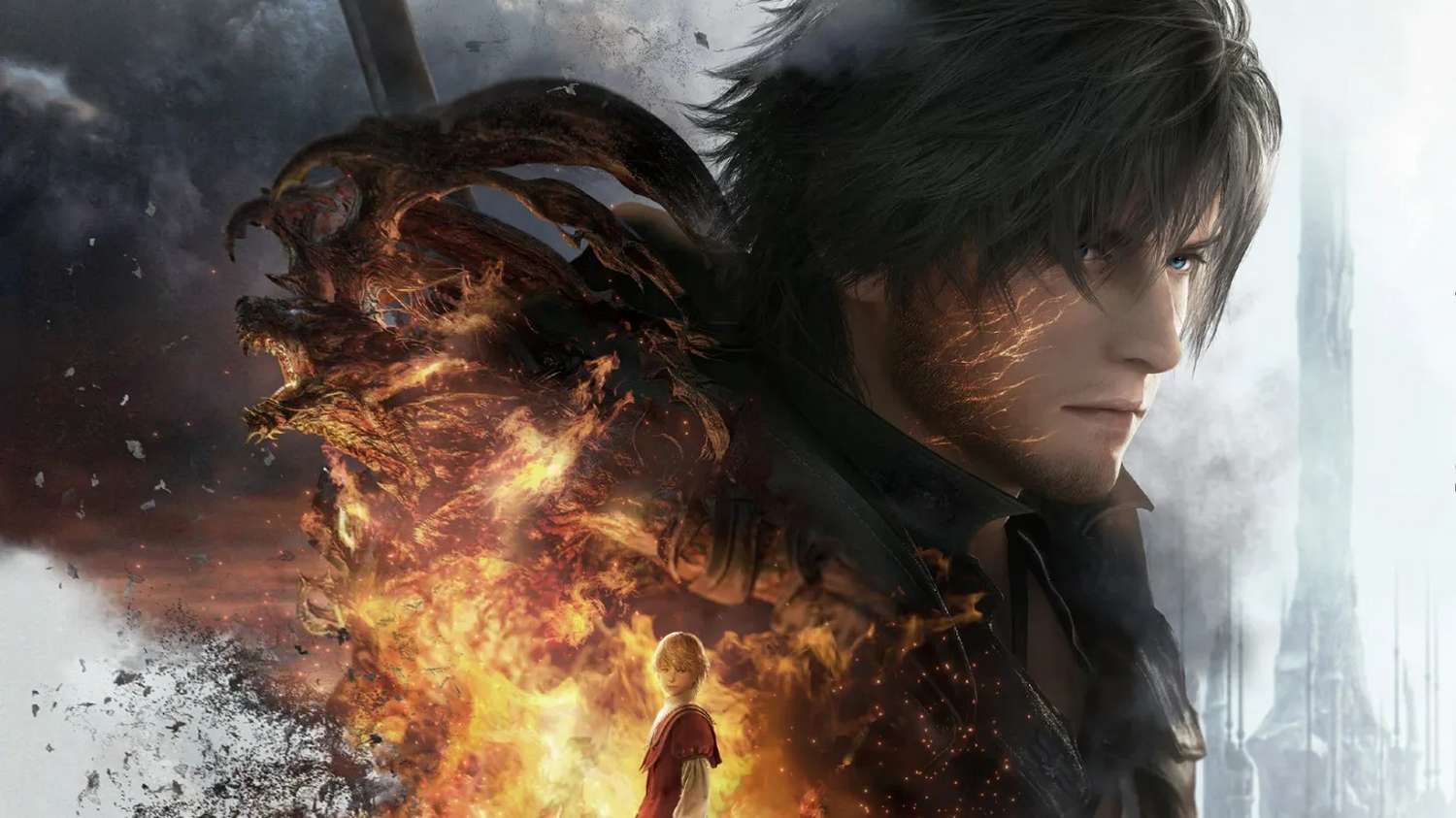
Final Fantasy 16 on PS5: Unpacking the Complex Realities of Exclusivity and Performance
Final Fantasy 16 (FF16) launched with immense anticipation, promising a darker, more mature narrative and a radical shift towards action-oriented combat for the venerable JRPG series. Positioned as a tentpole exclusive for the PlayStation 5 (PS5), its release was meant to showcase the console’s power and deliver a truly next-generation gaming experience. However, the journey since its debut has been anything but straightforward, revealing a complex tapestry of technical compromises, strategic exclusivity, and a divided fanbase. This examination delves into the ‘messy truth’ surrounding FF16’s performance on the PS5 and the broader implications of its console-exclusive status.
The Weight of PlayStation 5 Exclusivity: A Strategic Gamble
From its initial announcement, Final Fantasy 16’s PS5 exclusivity was a major talking point. In an era where multi-platform releases are increasingly common, Square Enix’s decision, heavily influenced by a significant deal with Sony, positioned FF16 as a crucial system seller. This strategy aimed to boost PS5 console sales and solidify its reputation as the premier destination for high-profile, cinematic experiences. While beneficial for Sony’s market share, this exclusivity immediately created friction among a large segment of the gaming community, particularly PC gamers and those on other platforms, eager to experience Valisthea’s epic saga.
The exclusivity window, reportedly six months before a potential PC port could even be considered, became a source of frustration. For many, it felt like an artificial barrier to entry, forcing hardware upgrades or prolonged waits. This commercial decision, while financially sound for the involved parties, highlighted the ongoing ‘console war’ dynamic and the impact of exclusive content deals on player choice and market accessibility. The financial incentives behind such arrangements are substantial, often securing development funding and marketing muscle, but they invariably spark debate about consumer value and industry practices.
Technical Performance on PS5: A Double-Edged Blade
Upon launch, FF16’s technical performance on the PS5 became a central point of discussion. While visually stunning in many respects, showcasing incredible art direction and detailed character models, the game struggled to maintain a consistent frame rate, especially in its ‘Performance Mode’. Digital Foundry’s comprehensive technical analysis, a respected authority in game performance, revealed significant dips well below the targeted 60 frames per second (FPS) in demanding combat scenarios and bustling hub areas. The ‘Quality Mode’, aiming for a native 4K resolution, also saw considerable drops, particularly noticeable during highly active sequences.
Key issues identified included:
- Inconsistent Frame Rates: Frequent fluctuations in performance mode, leading to a less fluid player experience.
- Resolution Scaling: Dynamic resolution scaling was employed, which could result in a softer image quality in performance-intensive moments.
- Motion Blur Implementation: An aggressive motion blur effect was initially criticized by some players for contributing to a perceived lack of clarity or smoothness.
- Loading Times: While generally good, certain transitions and fast travel instances could still feel lengthy despite the PS5’s ultra-fast SSD.
Square Enix responded with patch updates, most notably addressing the motion blur and adding options to adjust camera sensitivity. These post-launch optimizations did improve the overall stability to some extent, but fundamental performance bottlenecks, particularly regarding the elusive 60 FPS target, largely persisted. This situation ignited discussions about game optimization, the pressures of launching AAA titles, and the realistic expectations for next-generation graphics versus stable frame rates on current console hardware.
Critical Acclaim Versus Fan Reception: A Divisive Masterpiece?
Critically, Final Fantasy 16 largely succeeded, garnering high scores from numerous publications and praising its compelling narrative, mature themes, and robust combat system. The pivot towards a real-time, action-oriented combat system, heavily inspired by character action games, was a significant departure from the series’ turn-based or ATB roots, captivating many reviewers.
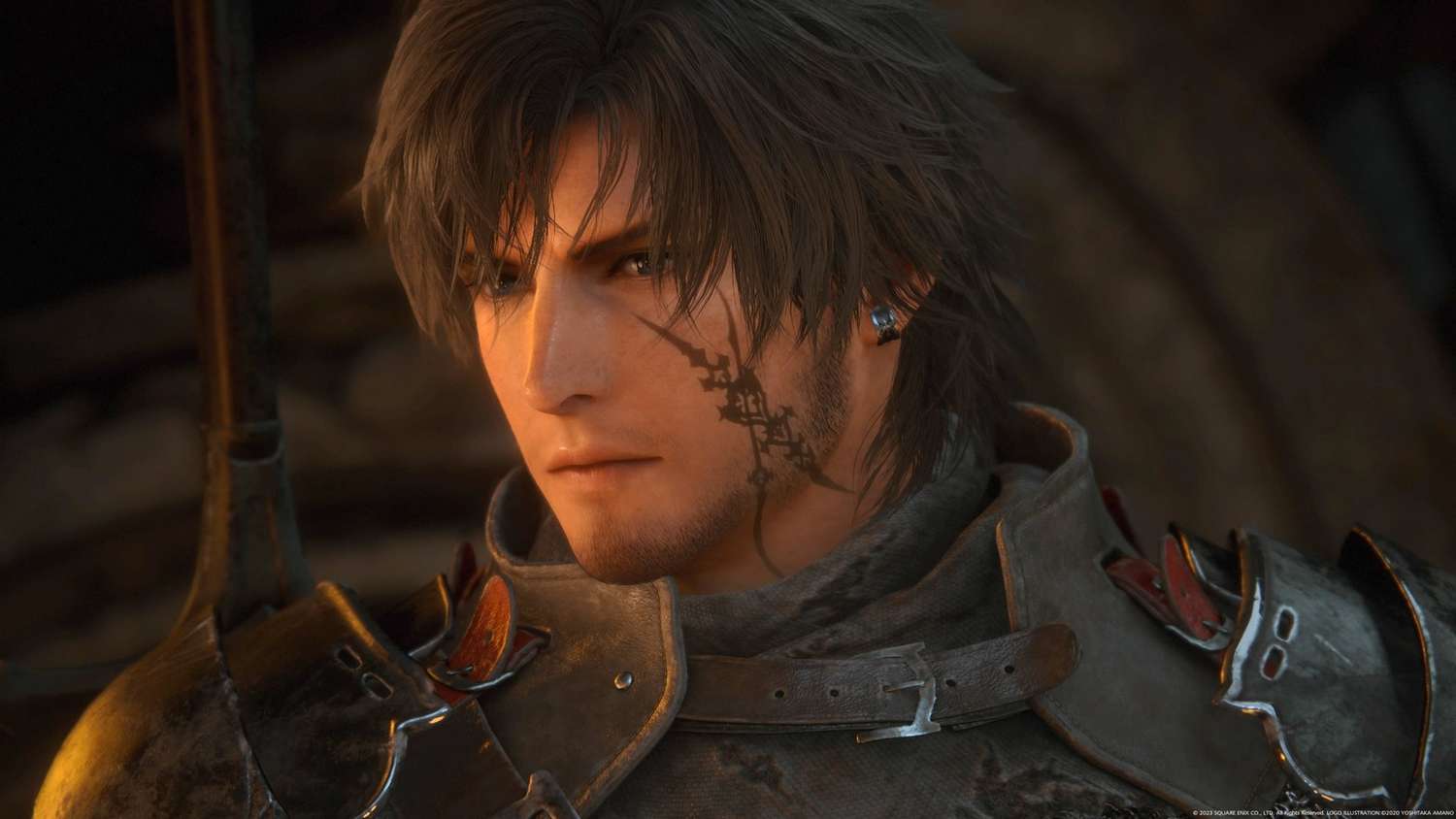
However, among the dedicated Final Fantasy fanbase, reception was more polarized. While many lauded the epic scope, unforgettable characters like Clive Rosfield, and the stunning Eikon battles, common criticisms emerged:
- Side Quest Structure: Many found the side quests repetitive and mundane, lacking the narrative depth of the main story.
- Lack of Exploration: Compared to more open-world JRPGs, FF16’s regional hub structure felt linear to some, with limited avenues for meaningful exploration.
- RPG Elements: The simplified skill tree and gear system left some craving deeper customization and traditional RPG progression.
- Pacing Issues: Moments of intense action were occasionally punctuated by stretches perceived as slower or less engaging.
Despite these criticisms, FF16’s sales performance was robust, shipping over 3 million units globally in its first week, a testament to the franchise’s enduring popularity and the game’s undeniable quality. This commercial success underscores the strong demand for the series, even as it evolves and takes bold new directions.
The Lingering Question: When Will FF16 Come to PC?
The absence of a Final Fantasy 16 PC version continues to be a major talking point. Following the console exclusivity window, anticipation for an announcement regarding a PC release date has been palpable. Square Enix has confirmed that a PC port is indeed in development, alongside future downloadable content (DLC), but has provided little in the way of specific timelines. The development process for optimizing a graphically intensive title like FF16 for the diverse hardware configurations of the PC gaming market is notoriously challenging, often requiring significant time and resources.
PC gamers expect high levels of optimization, scalable graphical options, and stable performance across a wide range of specifications. The prior release of titles like Final Fantasy VII Remake Intergrade on PC, which faced its own set of optimization challenges, serves as a precedent. The delay also builds immense pressure on Square Enix to deliver a polished, high-performing PC version that meets the expectations of a demanding audience eager to experience Valisthea at potentially higher frame rates and resolutions than the PS5 could consistently offer.
Future Horizons: DLC and Continued Support
Square Enix has affirmed its commitment to Final Fantasy 16 with the announcement of two significant DLC expansions: “Echoes of the Fallen” and “The Rising Tide”. These additions are poised to expand the lore of Valisthea, introduce new story content, and potentially offer new gameplay mechanics or challenges. “Echoes of the Fallen” has already been released, providing a new dungeon and boss fight, while “The Rising Tide,” set to feature the powerful Eikon Leviathan, promises a more substantial narrative expansion.
These downloadable content packs represent a crucial opportunity for Square Enix to address some of the original game’s criticisms, enrich the overall world, and extend the longevity of the game. For players who invested in the PS5 exclusive, these expansions offer continued value and reasons to revisit Clive’s journey, solidifying FF16’s position within the pantheon of long-supported AAA video games.

Conclusion: Unpacking the Legacy of Valisthea’s Launch
The story of Final Fantasy 16 on PS5 is a multifaceted one, embodying the modern complexities of the gaming industry. It is a tale of strategic console exclusivity, impressive yet imperfect technical ambition, and a critical success met with a nuanced fan reception. While the initial performance hiccups on the PlayStation 5 and the lengthy wait for a PC release presented undeniable challenges, FF16’s core strengths—its gripping narrative, compelling characters, and evolved combat—have largely secured its place as a significant entry in the storied franchise.
As Square Enix continues to support the title with essential patch updates and expands its universe through ambitious DLC content, the conversation around FF16 remains dynamic. Its launch served as a potent reminder that even the most anticipated next-gen exclusives arrive with their own set of ‘messy truths’ and that the journey of a modern video game extends far beyond its initial release date. Ultimately, Final Fantasy 16 stands as a bold, if at times flawed, statement on the direction of one of gaming’s most beloved sagas.