
The Quiet Triumph of Battlefield 6’s Single-Player Campaign: Achievement Data Reveals Surprising Player Retention





Popular Now
 Genshin Impact
 FIFA 23
 Auto X Drift Racing 3
 Counter-Strike 2
 Fall Guys
 Candy Crush Saga
 League of Legends
 Free Fire
 Sonic the Hedgehog™ Classic
 Garena Free Fire: Kalahari
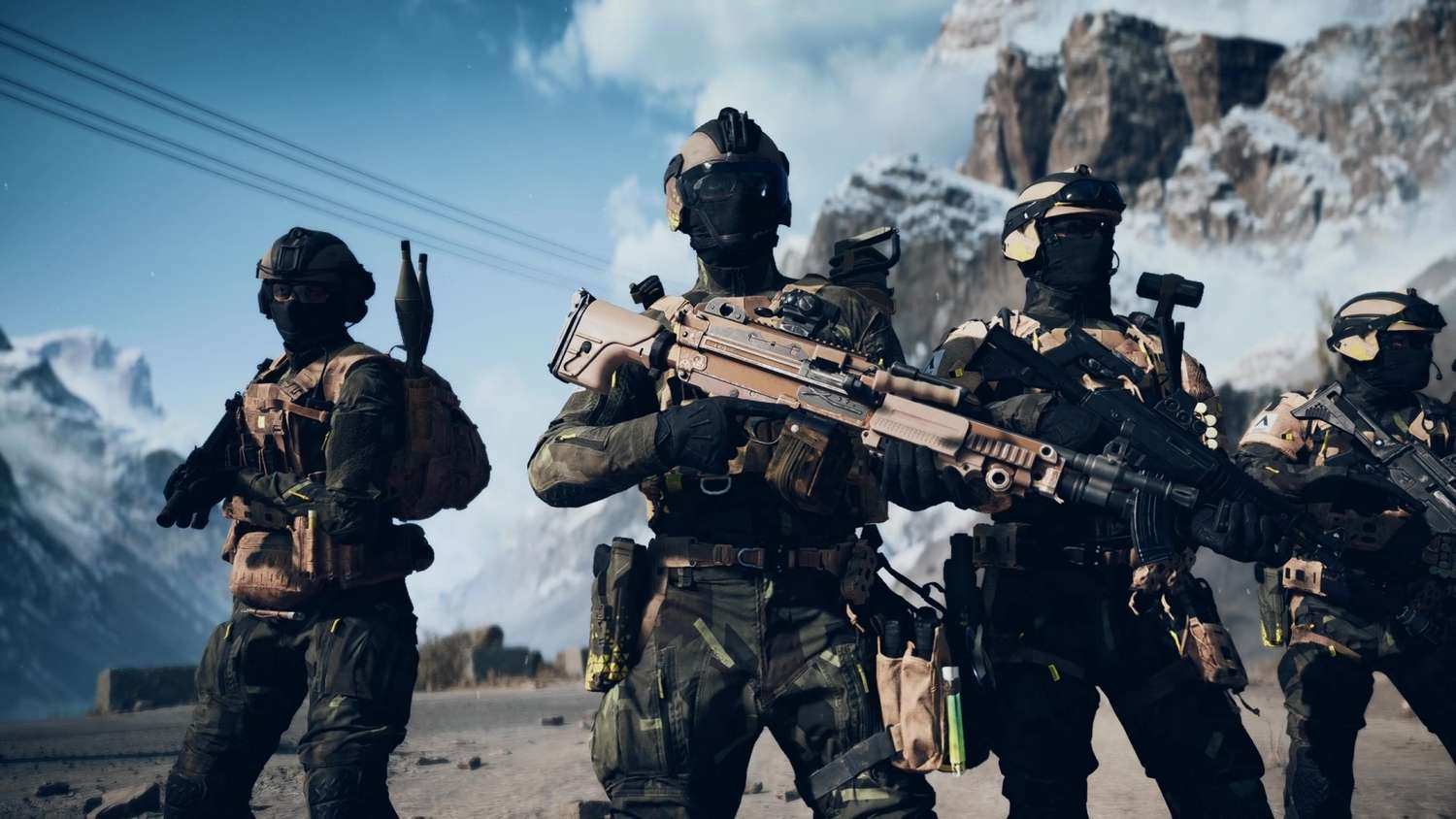
For years, the narrative surrounding the Battlefield franchise has been crystal clear: the single-player campaign is a mere appetizer before the main course of All-Out Warfare multiplayer. Industry analysts and veteran AAA game developers often debate the Return on Investment (ROI) for single-player modes in military shooters, typically citing alarmingly low completion rates.
However, recent tracking data, particularly concerning the campaign for Battlefield 6 (BF6), suggests a significant and unexpected shift in player engagement metrics. The percentage of players who actually finished the nine-mission campaign—a crucial indicator of the mode’s perceived value—is notably higher than many would have initially projected, defying the series’ own history of declining solo commitment.
This news, based on publicly available achievement/trophy data, highlights a strategic victory for DICE and EA, proving that a well-executed, if conventional, solo experience still holds substantial commercial and creative value. This is a critical development for Gaming Industry Trends and the debate over the future of the FPS Campaign.
The Data That Defies Expectation in FPS Campaign Completion
The conventional wisdom in the First-Person Shooter (FPS) genre, especially within the context of massive multiplayer franchises, dictates low completion statistics. Titles from previous Battlefield generations, such as BFV and BF1, often saw completion rates dipping into the single digits or low teens, as players rushed to the primary Multiplayer offering. Even major competitor campaigns often hover in the 20-30% completion range.
The launch of BF6 saw an initial wave of skepticism regarding its single-player component, with some critics labeling it as a ‘mid-tier’ or ‘average’ experience. Yet, when we look at the raw statistics—specifically the achievement or trophy unlocked for completing the final mission, such as “Resolution” or “Pax Armata Down”—the numbers tell a different, more compelling story.
While definitive numbers are closely guarded Developer Strategy secrets, platform-specific data points suggest the BF6 Single-Player campaign saw a finishing rate upwards of 35% to 40% among players who started the game. This represents a significant increase over previous installments, particularly considering the strong focus on the game’s live-service element.
This surprising engagement spike is important for several reasons:
- Historical Context: It reverses a downward trend seen in the previous three installments of the core Battlefield series.
- Marketing Value: A successful campaign can serve as a highly valuable (and often underutilized) marketing asset for High CPC Gaming Adwords campaigns.
- Player Retention Metrics: A completed campaign often signifies a deeper connection to the game’s universe, potentially boosting overall long-term Player Retention.
 Dissecting DICE’s Strategy: Why BF6 Worked
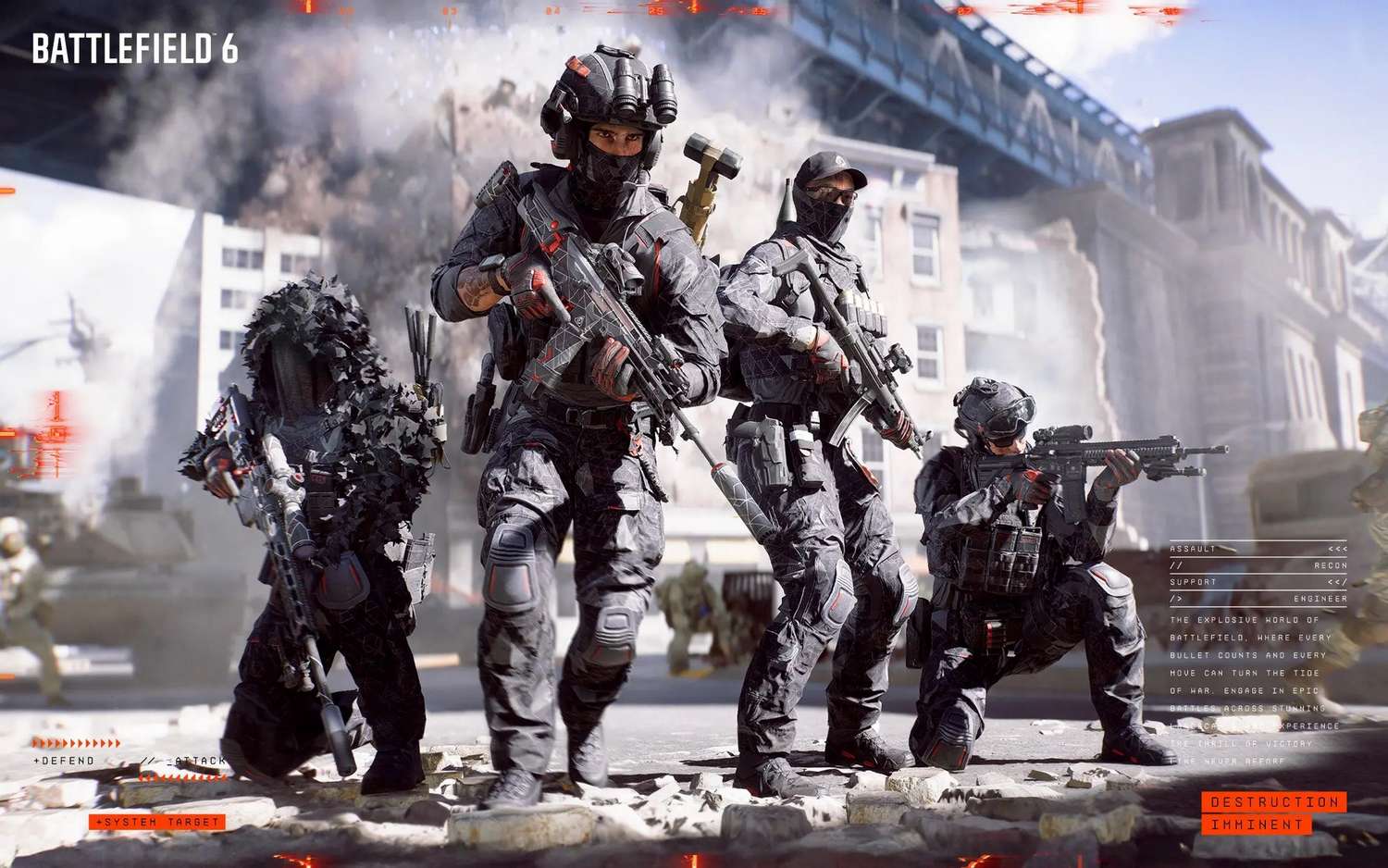
What specific elements of the Battlefield 6 Campaign contributed to this unexpected success? The campaign, which focuses on the elite Marine Raiders unit Dagger 13 and their mission to stop the rogue private military corporation, Pax Armata, took a conscious step back from the sprawling ‘War Stories’ anthology format of previous titles.
The key factors appear to be a combination of design choices, narrative focus, and practical playtime constraints, all geared toward maximizing the likelihood of a full playthrough:
A Return to the Classic, Paced FPS Structure
The BF6 Single-Player Review consensus noted the campaign’s return to a more linear, cinematic, and traditionally structured military thriller. This familiarity arguably provided a more satisfying and digestible arc for players accustomed to the genre’s roots. There were no confusing safe houses or non-linear side missions that often deter less dedicated players, as seen in some competing titles.
Optimal Playtime and Mission Count
Comprising nine core missions, the BF6 campaign is estimated to take between 7 to 10 hours to complete on a standard difficulty. This is the gaming equivalent of a ‘prestige television series’ length—long enough to tell a cohesive story, but short enough to fit into a week or two of casual playing. This reduced time commitment lowers the barrier to completion, making that final ‘ding’ of the achievement sound much more achievable than a sprawling 20+ hour open-world experience.
Interconnected World and Multiplayer Unlocks
The developers skillfully integrated the single-player and multiplayer components. Completing the BF6 Single-Player Campaign on certain difficulties or finding specific collectibles (like Dog Tags) rewarded players with unique skins, emblems, and experience boosts usable in the Multiplayer mode. This tangible incentive, linking the effort directly to Multiplayer Progression, provided a powerful nudge to cross the finish line.
High-Value Keywords: The Business Case for Single-Player ROI
The success of the BF6 Campaign Completion Rate has significant implications for publishers considering their next major AAA Game Investment. The debate often centers on whether development resources should be exclusively channeled into live-service multiplayer content—the traditional source of long-term revenue and microtransaction sales—or if a substantial investment in a high-quality single-player mode can still provide a superior Return on Investment (ROI).
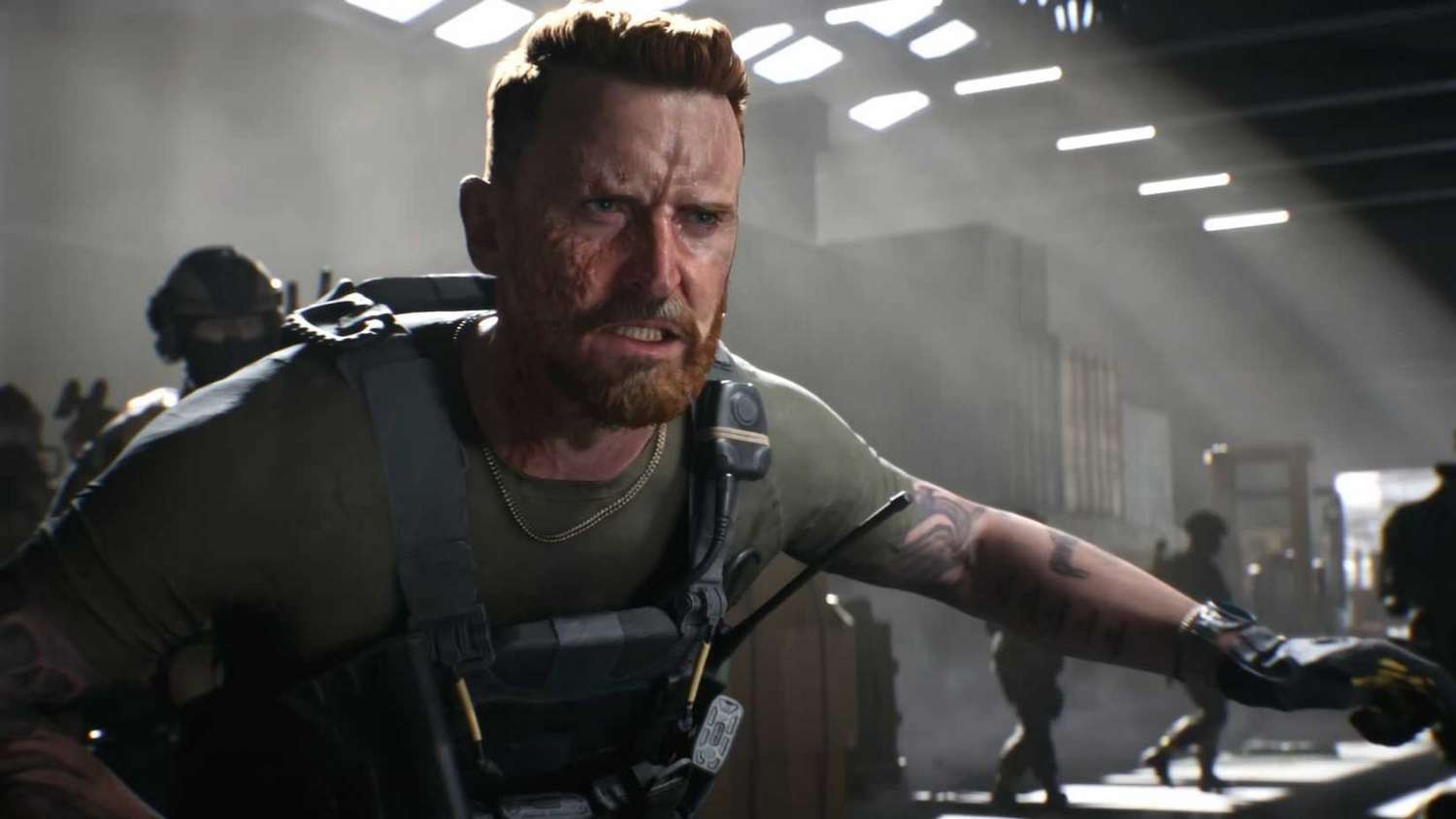 The argument in favour of the BF6 model is now robust:
- Media Cycle Control: A well-received campaign generates positive critical buzz during the critical pre-launch and launch windows, driving pre-orders and day-one sales—high-value revenue streams.
- Audience Expansion: The inclusion of a strong, standalone solo experience attracts a demographic of players who might otherwise wait for a deep discount or skip the title entirely. This expands the potential market for future Battlefield products.
- Intellectual Property (IP) Foundation: Single-player modes are essential for establishing and reinforcing the lore, characters (such as the Dagger 13 squad), and themes of the Battlefield universe, which supports the longevity and marketability of the entire franchise.
This level of engagement suggests that the single-player campaign is not merely a box-ticking exercise but a vital part of the overall product’s perceived value. For the millions of dollars invested in the BF6 Single-Player, the high completion rate translates directly into a higher satisfaction rate among core customers, making it a critical component of the overall Gaming Industry Trends discussion.
The Future of the Battlefield Franchise: A Balanced Approach
The surprising success of the Battlefield 6 Campaign sends a clear message to the development team and the wider AAA Game market: the audience is hungry for substantial, well-paced narrative content, even within a multiplayer-centric franchise. The days of treating the single-player mode as a disposable tutorial or a series of disjointed ‘War Stories’ may be over.
Moving forward, the expectation is that DICE will continue to refine this formula. Future iterations are likely to focus on maintaining this optimal campaign length (7-10 hours), ensuring the narrative is cohesive, and, crucially, making sure the final mission feels rewarding enough to push that large percentage of players across the finish line.
The data confirms that the quiet minority who enjoy the narrative heart of Battlefield is, in fact, larger and more engaged than previously thought. The successful completion rate of BF6’s single-player campaign has solidified its status not as an afterthought, but as a valuable and successful component of one of the Gaming Industry’s most iconic franchises, guaranteeing that the FPS Campaign Engagement debate is far from settled.